


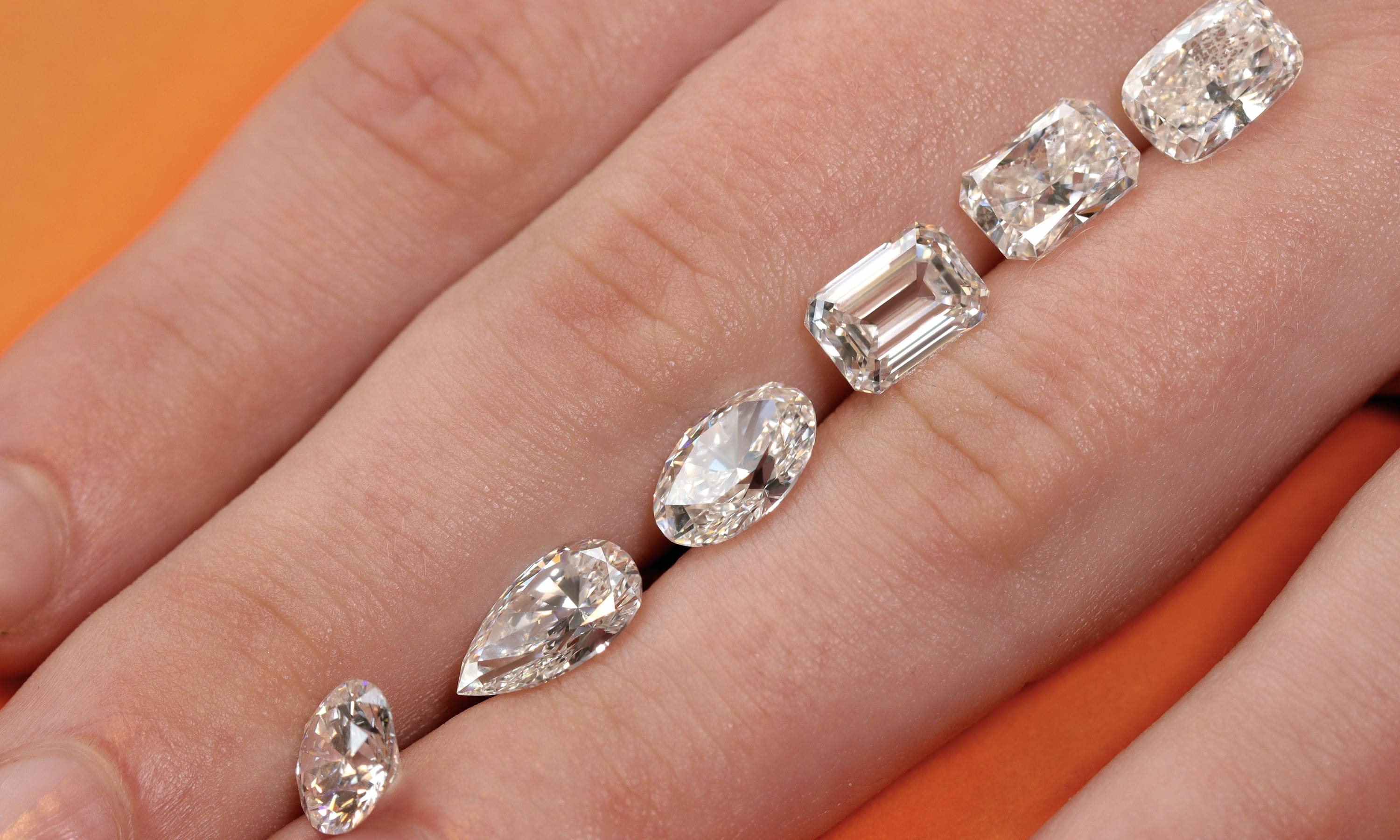
In recent years, lab grown diamonds have become a revolutionary alternative to traditional mined diamonds, offering all the beauty and brilliance of a natural diamond but with added benefits. These lab diamonds are created using cutting-edge technology that mimics the natural processes that take place deep within the Earth. As more people seek sustainable, ethical, and cost-effective options, lab grown diamonds are rapidly gaining popularity in the jewelry industry. This article explores everything you need to know about lab diamonds, including their benefits, how they compare to mined diamonds, and why they are becoming the go-to choice for many buyers today.
Table of Contents
What Are Lab Grown Diamonds?
Lab grown diamonds are diamonds that are produced in a controlled environment using advanced technology. While they have the same chemical composition, physical properties, and optical characteristics as natural diamonds, they are made in a much shorter time frame—typically in just a few weeks or months—compared to the millions of years it takes for natural diamonds to form deep within the Earth.
The two main methods used to create lab diamonds are High Pressure High Temperature (HPHT) and Chemical Vapor Deposition (CVD). Both processes simulate the extreme conditions found in nature, allowing carbon atoms to crystallize into diamond form. As a result, lab grown diamonds are virtually indistinguishable from natural diamonds to the naked eye.
The Difference Between Lab Diamonds and Mined Diamonds
Although lab grown diamonds and mined diamonds share the same physical and chemical properties, there are key differences between the two. The most significant difference lies in their origin: lab diamonds are created in laboratories, while natural diamonds are formed over millions of years deep within the Earth’s mantle under extreme pressure and temperature.
Here’s how lab diamonds and natural diamonds compare:
-
Composition: Both types of diamonds are made of pure carbon, crystallized in a cubic structure. This gives them the same hardness (10 on the Mohs scale), brilliance, and durability.
-
Appearance: To the naked eye, lab diamonds look exactly the same as mined diamonds. Both reflect light in the same way, offering the signature sparkle and clarity that diamonds are known for.
-
Cost: Lab diamonds are generally 30-40% more affordable than their natural counterparts. This price difference is due to the fact that the process of creating lab diamonds is less expensive and less resource-intensive than mining natural diamonds.
While lab diamonds and natural diamonds are virtually identical in terms of appearance and properties, the key distinction lies in the method of their creation.
Why Choose Lab Grown Diamonds?
There are several reasons why lab diamonds are becoming a popular choice for many consumers. From their ethical benefits to their affordability, these diamonds offer a variety of advantages that make them appealing to those looking for a sustainable alternative to traditional diamonds.
1. Ethical Sourcing
One of the most significant benefits of lab diamonds is their ethical sourcing. Traditional diamond mining is often associated with environmental damage, human rights violations, and conflict financing (so-called “blood diamonds”). By choosing lab grown diamonds, consumers can be confident that their purchase did not contribute to these issues. Lab diamonds are produced in controlled environments, where no harm is done to people or the planet in the production process.
2. Environmental Impact
The environmental impact of diamond mining is another reason why lab diamonds are growing in popularity. Mining for natural diamonds involves the removal of large amounts of earth, leading to deforestation, habitat destruction, and pollution. Lab grown diamonds, on the other hand, are produced in labs with much less environmental impact. In fact, the energy used to create lab diamonds can often come from renewable sources, making them a more eco-friendly option compared to their mined counterparts.
3. Cost-Effectiveness
One of the most appealing aspects of lab diamonds is their cost-effectiveness. Since lab diamonds are created in a controlled environment, the production process is less expensive than traditional mining. As a result, lab diamonds are typically priced 30-40% less than natural diamonds of comparable size and quality. This makes them an attractive option for buyers who want a high-quality diamond but don’t want to break the bank. With lab diamonds, consumers can purchase a larger stone or a higher-quality diamond at a fraction of the price of a natural diamond.
4. Customization and Availability
Another benefit of lab diamonds is the wide range of customization options available. Whether you’re looking for a specific cut, color, clarity, or carat weight, lab diamonds can be created to meet your exact preferences. Unlike natural diamonds, which are limited by the resources found in the Earth, lab diamonds can be produced with greater consistency and precision, allowing you to choose the perfect stone for your needs. Whether you’re looking for a classic round brilliant, a vintage-inspired cushion cut, or a modern emerald cut, lab diamonds are available in various shapes and sizes.
How Lab Grown Diamonds Are Made
There are two primary methods used to create lab diamonds: High Pressure High Temperature (HPHT) and Chemical Vapor Deposition (CVD).
1. High Pressure High Temperature (HPHT)
HPHT is a process that mimics the conditions found deep within the Earth. A small diamond seed is placed under extremely high pressure and temperature, causing carbon atoms to crystallize around the seed and form a diamond. HPHT is the oldest method of creating lab diamonds and is typically used to produce smaller diamonds for industrial purposes, though larger and high-quality diamonds can also be created using this method.
2. Chemical Vapor Deposition (CVD)
CVD is a more modern method that involves using a gas mixture (usually methane and hydrogen) to deposit carbon atoms onto a diamond seed. The carbon atoms then bond together to form a diamond crystal. CVD allows for more control over the growth process, making it ideal for creating larger and higher-quality diamonds. Many of the lab diamonds on the market today are produced using CVD technology.
Both methods result in diamonds that are virtually identical to natural diamonds in terms of their composition, hardness, brilliance, and other characteristics.
The Growing Popularity of Lab Diamonds
The popularity of lab diamonds has been steadily increasing, especially in the last decade. As consumers become more aware of the environmental and ethical issues surrounding traditional diamond mining, they are increasingly turning to lab diamonds as a sustainable and affordable alternative.
Many well-known jewelry brands now offer lab diamonds as a primary option for engagement rings, wedding bands, and other fine jewelry. With the increasing demand for lab diamonds, more retailers are offering these stones, and more customers are choosing them over natural diamonds.
Conclusion: A Bright Future for Lab Diamonds
As the demand for more ethical, sustainable, and affordable options grows, lab diamonds are poised to become a significant part of the future of the jewelry industry. With the same quality, beauty, and durability as natural diamonds, lab diamonds are an excellent choice for anyone looking for a stunning, eco-friendly, and budget-friendly option.
Whether you’re buying an engagement ring, a wedding band, or simply a piece of fine jewelry, choosing a lab diamond allows you to enjoy all the brilliance of a diamond while making a positive impact on the environment and society. As technology continues to improve and the demand for ethical alternatives increases, lab diamonds will only continue to shine as a superior choice in the world of fine jewelry.