Covering lifestyle and fashion stories across Australia means I spend a lot of time talking to jewellers, designers, couples planning weddings, and people quietly rethinking what tradition actually means. Somewhere between an interview in Melbourne’s CBD and a coffee-fuelled chat with a Sydney-based jeweller, I realised something had shifted. Not subtly either.
The lab grown diamond wedding band has moved from “alternative option” to centre stage — and not just for budget reasons. It’s about values, transparency, and yes, still plenty of sparkle.
So if you’re wondering whether lab grown diamonds are right for a wedding band — or why so many couples are choosing them — pull up a chair. This is one of those topics that looks simple on the surface but gets genuinely interesting once you dig in.
Table of Contents
The Quiet Rethink of Wedding Jewellery Traditions
Weddings have always been loaded with symbolism. Rings, especially, carry weight — emotional, cultural, financial. But the way Australians approach marriage has evolved. We’re marrying later. We’re prioritising experiences over possessions. We’re asking questions our parents didn’t.
Where did this come from? Who made it? Does it align with how we want to live?
Honestly, it was only a matter of time before diamonds came under the same scrutiny.
A wedding band used to be a straightforward decision. Gold or platinum. Simple or detailed. Diamonds, if any, were just assumed to be mined. Now? Couples want to know the story behind their ring, not just how it looks in a velvet box.
That’s where lab grown diamonds enter the picture — quietly at first, then all at once.
What Lab Grown Diamonds Actually Are (No, They’re Not Fake)
Let’s clear this up early, because misinformation is everywhere.
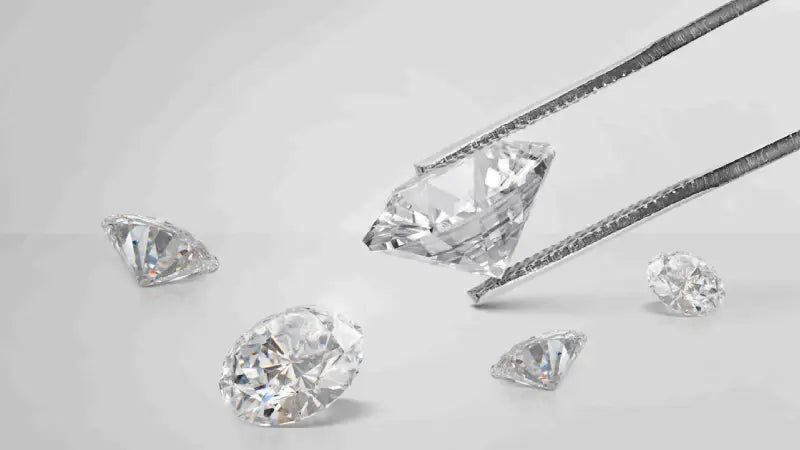
Lab grown diamonds are real diamonds. Same chemical composition. Same crystal structure. Same brilliance when they catch the light just right. The difference is origin, not authenticity.
Instead of forming underground over billions of years, lab grown diamonds are created in controlled environments that replicate natural conditions. The result? A diamond that even trained gemologists need specialised equipment to distinguish from a mined one.
I was surprised to learn how many people still assume lab grown equals “synthetic” in the cheap, costume-jewellery sense. It doesn’t. These stones are graded using the same standards — cut, clarity, colour, carat — and often score exceptionally well.
For wedding bands, where diamonds are worn daily and closely examined, that consistency and quality actually matter.
Why the Lab Grown Diamond Wedding Band Is Having a Moment
Spend five minutes in a modern jewellery studio and you’ll notice something: lab grown options aren’t tucked away anymore. They’re front and centre.
There are a few reasons for this shift, and none of them feel like passing trends.
1. Ethical Transparency Without the Hand-Wringing
A lot of couples want ethical jewellery but don’t want to feel like they’re navigating a moral maze. Lab grown diamonds simplify that conversation.
There’s no mining impact. No concerns about conflict sourcing. No vague supply chains. For many Australians, that clarity feels refreshing — and aligns with broader values around sustainability and responsible consumption.
You don’t have to compromise on beauty to feel good about your choice.
2. More Design Freedom (And That’s a Big Deal)
Wedding bands are no longer an afterthought. Especially for women who want bands with diamond detailing, or men looking for something more distinctive.
Lab grown diamonds tend to be more affordable than mined ones, which opens up design possibilities. More stones. Higher clarity. Custom settings that might’ve felt out of reach before.
I’ve seen stunning pavé bands, channel-set styles, and subtle eternity rings that simply wouldn’t exist in their current form without lab grown stones making them viable.
If you’re curious about styles and craftsmanship, this guide to a lab grown diamond wedding band explains the range beautifully without pushing the hard sell.
3. Practicality for Real Life
Here’s something jewellers don’t always say out loud: wedding bands get knocked around. They’re worn every day — at work, at the gym, while gardening, while doing the dishes.
Lab grown diamonds are just as durable as mined ones (they’re diamonds, after all), which makes them ideal for wedding bands. You get longevity without the anxiety of wearing something irreplaceable in a bad way.
There’s comfort in knowing your ring can handle life as it actually happens.
The Emotional Side: Does It Still Feel Special?
This is the question I hear most often, usually spoken quietly.
If it’s lab grown… does it still feel meaningful?
From the couples I’ve spoken to, the answer is overwhelmingly yes — sometimes even more so.
One bride told me she loved knowing exactly where her diamond came from, how it was made, and why it aligned with her values. Another couple liked that their ring represented modern love, not inherited expectations.
Tradition isn’t static. It evolves. And meaning comes from intention, not geology.
When you exchange rings on your wedding day, no one is thinking about carbon pressure or growth chambers. They’re thinking about commitment, partnership, and the shared future ahead.
The diamond is a symbol. The story you attach to it is what gives it weight.
Comparing Lab Grown Diamonds to Mined Ones (Without the Drama)
It doesn’t need to be a battle.
Mined diamonds still have appeal, particularly for those drawn to rarity or natural formation. But lab grown diamonds offer advantages that are hard to ignore — especially for wedding bands.
- Value: You often get higher quality for the same budget.
- Consistency: Fewer inclusions, better colour grades.
- Ethics: Clear sourcing, minimal environmental disruption.
- Design flexibility: More options, more creativity.
For couples focused on wearability, design, and conscious choices, lab grown diamonds just make sense.
If you’re still weighing up diamond options more broadly, this breakdown of lab grown diamonds is a helpful read — balanced, informative, and refreshingly jargon-free.
Choosing the Right Wedding Band (A Few Things Worth Considering)
Buying a wedding band sounds simple until you actually do it. Then suddenly you’re thinking about finger size fluctuations, metal hardness, daily wear, and how it’ll sit next to an engagement ring.
Here are a few things I’ve picked up along the way.
Metal Matters More Than You Think
Lab grown diamonds work beautifully in platinum, white gold, yellow gold, and rose gold — but each metal changes the overall feel.
Platinum is durable and understated. Yellow gold feels warm and traditional. White gold gives a clean, modern look. Rose gold adds softness.
Try them on. What looks good in photos doesn’t always feel right on your hand.
Match (or Intentionally Don’t)
Some couples want perfectly matched bands. Others prefer individual designs that still feel connected.
There’s no rulebook. Just make sure the band works with your engagement ring if you’re wearing both — especially in terms of height and setting.
Think Long-Term, Not Just Wedding-Day Pretty
That delicate diamond band might look stunning now, but how will it feel in ten years? Will it suit your lifestyle? Your job? Your taste as it evolves?
Jewellery is one of the few fashion items meant to last decades. Choosing thoughtfully pays off.
The Australian Perspective: Why This Trend Feels Right Here
Australia has always marched to its own beat. We’re practical, values-driven, and not overly impressed by flash for flash’s sake.
The rise of lab grown diamond wedding bands fits neatly into that mindset.
Couples want quality without excess. Beauty without baggage. Meaning without outdated assumptions.
It’s not about rejecting tradition — it’s about reshaping it to fit modern lives.
And honestly, that feels very Australian.
A Final Thought (Because This Decision Is Personal)
At the end of the day, a wedding band isn’t about impressing anyone else. It’s about what feels right when you look down at your hand — years from now, in ordinary moments.
Lab grown diamonds won’t be the right choice for everyone. But for many couples, they represent a thoughtful, contemporary way to honour commitment without compromising on ethics, design, or durability.
If you’d told me five years ago that lab grown diamonds would be redefining wedding jewellery, I might’ve raised an eyebrow. Now? It feels inevitable.