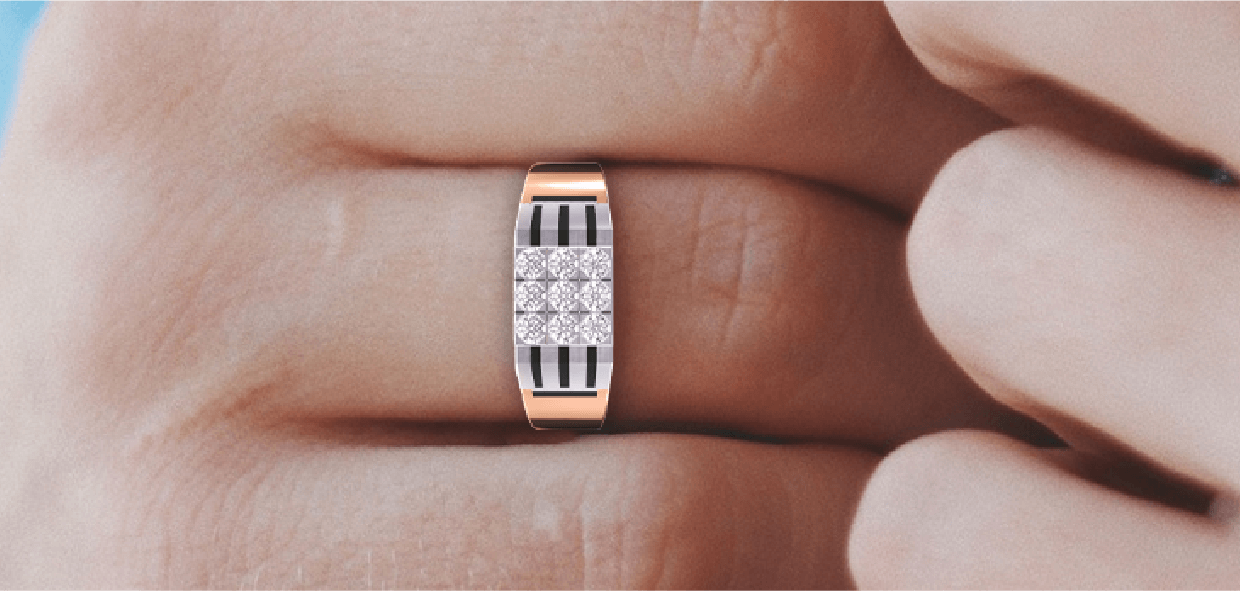
Lab made diamonds have come a favored choice for numerous buyers seeking quality and value. Two main types of lab created diamonds dominate the request CVD and HPHT. Understanding the differences between them will help you make an informed decision when buying a diamond. This companion explores how each is made, their characteristics, and what to consider when choosing between them.
Table of Contents
Understanding Lab Made Diamonds
Lab made diamonds are real diamonds. They partake the same chemical and physical parcels as natural diamonds. The main difference lies in how they’re produced. Unlike booby-trapped diamonds, which form naturally over millions of times, lab diamonds are created in controlled surroundings using ultramodern technology. This allows for a harmonious quality and frequently lower cost.
The two primary styles for creating lab diamonds are Chemical Vapor Deposition, or CVD, and High Pressure High Temperature, or HPHT. Each system produces diamonds with unique traits. Knowing these traits helps you decide which diamond suits your requirements.
CVD Diamonds The Process and Characteristics
CVD diamonds are created by placing a thin slice of diamond in a vacuum chamber filled with carbon-rich gas. The gas is hotted, causing carbon tittles to deposit onto the diamond slice subcaste by subcaste. Over time, this builds a diamond demitasse.
CVD diamonds are known for their chastity and clarity. They frequently have smaller eliminations than which is better cvd or hpht diamond. The growth process allows for precise control over color, meaning you can get near-tintlessor tintless diamonds more fluently.
One important aspect of CVD diamonds is that they tend to be more invariant. Because they grow subcaste by subcaste, the crystal clear structure is harmonious. This can make them particularly appealing for buyers who prioritize clarity and indeed color.
CVD diamonds may bearpost-growth treatments. These treatments can ameliorate color or remove minor eliminations. Indeed with treatment, CVD diamonds maintain their value and remain chemically identical to natural diamonds.
HPHT Diamonds The Process and Characteristics
Which is better cvd or hpht diamond are created by mimicking the natural conditions under which diamonds form. A small diamond seed is placed in carbon and subordinated to extremely high pressure and temperature. This forces the carbon to solidify around the seed, forming a diamond.
HPHT diamonds can produce larger monuments more snappily than CVD in some cases. They’re frequently used to produce diamonds with specific color characteristics, including rare unheroic or green tones. HPHT diamonds are generally more durable during growth because the conditions favor a thick demitasse structure.
One point of HPHT diamonds is their natural- looking appearance. Some buyers prefer them because they nearly act certain booby-trapped diamonds. still, HPHT diamonds can contain metallic eliminations from the growth process, which may affect clarity in some monuments. These eliminations can frequently be removed or reduced through polishing or treatment.
Comparing CVD and HPHT Diamonds
When comparing CVD and HPHT diamonds, several factors matter.
Clarity is one of the first effects to consider. CVD diamonds generally offer advanced clarity due to smaller inclusions.However, clear diamond, CVD may be more charming, If your precedence is a clean.
Color is another important factor. Both styles can produce tintless
diamonds, but CVD gives further control over color uniformity. HPHT can produce intriguing natural tones that might appeal if you want a diamond with a hint of color.
continuity is slightly different for each type. Both diamonds are real and hard enough for everyday wear and tear. HPHT diamonds can occasionally have a thick demitasse chassis, but this does n’t generally affect performance in jewelry. Both CVD and HPHT diamonds are suitable for rings, earrings, and other pieces you wear daily.
Size and cost are practical considerations. CVD diamonds frequently offer better value per carat for high clarity monuments. HPHT diamonds may bring slightly further for large, multicolored monuments due to the complexity of the growth process. Your budget and asked size will impact which type is better for you.
Choosing the Right Diamond for You
When deciding between CVD or HPHT diamond lab made diamonds, suppose about what matters utmost to you.However, CVD is likely the better choice, If you value clarity and a harmonious near-tintless
appearance.However, HPHT may fit your requirements, If you want larger diamonds or a diamond with a unique natural tone.
Consider the jewelry setting as well. A diamond in a bijou ring or pendant benefits from advanced clarity, making CVD diamonds an excellent choice. For designs where color is a point, similar as colored diamond jewelry, HPHT diamonds may give further options.
Another factor is resale value and instrument. Both CVD and HPHT diamonds can be certified by estimable gemological laboratories. instruments give details on clarity, color, and carat weight, which ensures you know exactly what you’re buying. pukka diamonds also help maintain resale value.
Practical Tips for Buyers
When shopping, always check diamonds under proper lighting. Indeed lab made diamonds can show subtle differences in clarity and color. Compare several monuments side by side to see which type meets your norms.
Ask about treatments. Some CVD diamonds may be treated to ameliorate color. HPHT diamonds may also admit minor treatments to remove metallic eliminations. Knowing this helps you understand the true characteristics of the diamond.
Set a clear budget before shopping. Lab made diamonds offer inflexibility in size and quality. Knowing your budget allows you to choose the stylish combination of carat, clarity, and color.
Do n’t concentrate only on marketing terms. Some merchandisers may emphasize one system over the other. Your thing is to understand the diamond itself, not the process marker. Look at the gravestone, instrument, and your particular preference.
Conclusion
Both CVD and HPHT diamond lab made diamonds are excellent choices. They’re real diamonds with full chemical and physical parcels. The stylish choice depends on your precedences. For high clarity and invariant color, CVD diamonds exceed. For unique colors or larger monuments, HPHT diamonds may be preferable.
By understanding the differences, considering clarity, color, continuity, and budget, you can elect a lab made diamond that meets your requirements. Paying attention to instrument and examining diamonds precisely ensures you make a confident decision.
Lab made diamonds offer an occasion to enjoy high- quality monuments at a more reasonable price than booby-trapped diamonds. Choosing between CVD and HPHT diamonds allows you to match your purchase with your particular preferences and jewelry pretensions. In the end, the right diamond is the bone
that feels right when you see it on your hand or in your collection.
Whether you choose CVD or HPHT, lab made diamonds give a practical, durable, and beautiful option for ultramodern buyers. You can enjoy a diamond that combines artificer, wisdom, and beauty in a way that fits your life.