Table of Contents
Lab Grown Diamonds Explained Simply
Picking a stone? It’s more than a purchase. Think of it as selecting something that means something. Lab grown diamonds bring questions. Are they genuine. Will they stand time. Do they hold value. Here’s the truth without extra words. Skip the clutter. Only keep what counts.
Lab Created Diamonds Explained
A lab grown diamond is a true diamond. Not fake, unlike materials such as moissanite or cubic zirconia. Its chemistry matches natural diamonds exactly. Carbon forms it, just like underground gems, locked into an identical atomic layout. A single factor sets them apart – where they come from. Deep beneath the surface, one takes shape across vast stretches of time. In contrast, the second emerges inside labs through precise tech methods. Side by side, their appearance fools experts without tools to spot distinctions.
How Things Are Created
One way involves mixing materials by hand. Another relies on machines running specific programs.
- Fueled by intense heat, pressure builds deep below. Underground forces shape what happens here. Heat plus crushing force drives the process forward. Nature works slowly, yet powerfully beneath. Extreme environments reveal hidden transformations. Conditions shift when both elements rise together
- Chemical Vapor Deposition, which grows the diamond layer by layer
One way or another, these processes create gems ready for cutting and sorting like natural ones. Picture picking a lab grown one carat round diamond – its sparkle and toughness match a same rated dug up version exactly.
Are They Strong Enough for Everyday Use
Fine. The number ten sits at the top of that scratch-resistance list called Mohs. Where it comes from makes zero difference here. One made underground matches one built in a room when fighting scuffs. Hold it inside golden bands meant for promises – toughness plays its part. Softer than platinum, gold bends easier. For everyday wear, the stone has to resist rubbing. In this ring, a lab diamond acts just like one pulled from the earth. Care stays normal. Wipe it down now and then. Look at the claws holding it. Steer clear of knocks. Yet none of that changes based on how the gem was made.
Understanding Price Differences
Lots of folks pick lab made diamonds because they’re easier on the wallet. Usually these gems run between 30 and 50 percent below natural ones that match in size and quality. This gap in cost opens up room for:
- Choose a larger carat weight
- Select a higher clarity grade
- Upgrade your setting
A bigger size could fit your budget if you pick a lab grown diamond instead of a natural one. Take a 1.3 carat lab version rather than a 0.9 carat mined option. Cost goes down, yet what you get stays just as clear and shiny. That drop comes from simpler making steps, not flaws in the gem. Savings come from how it is built, not cut corners on look.
Are They Ethical and Sustainable
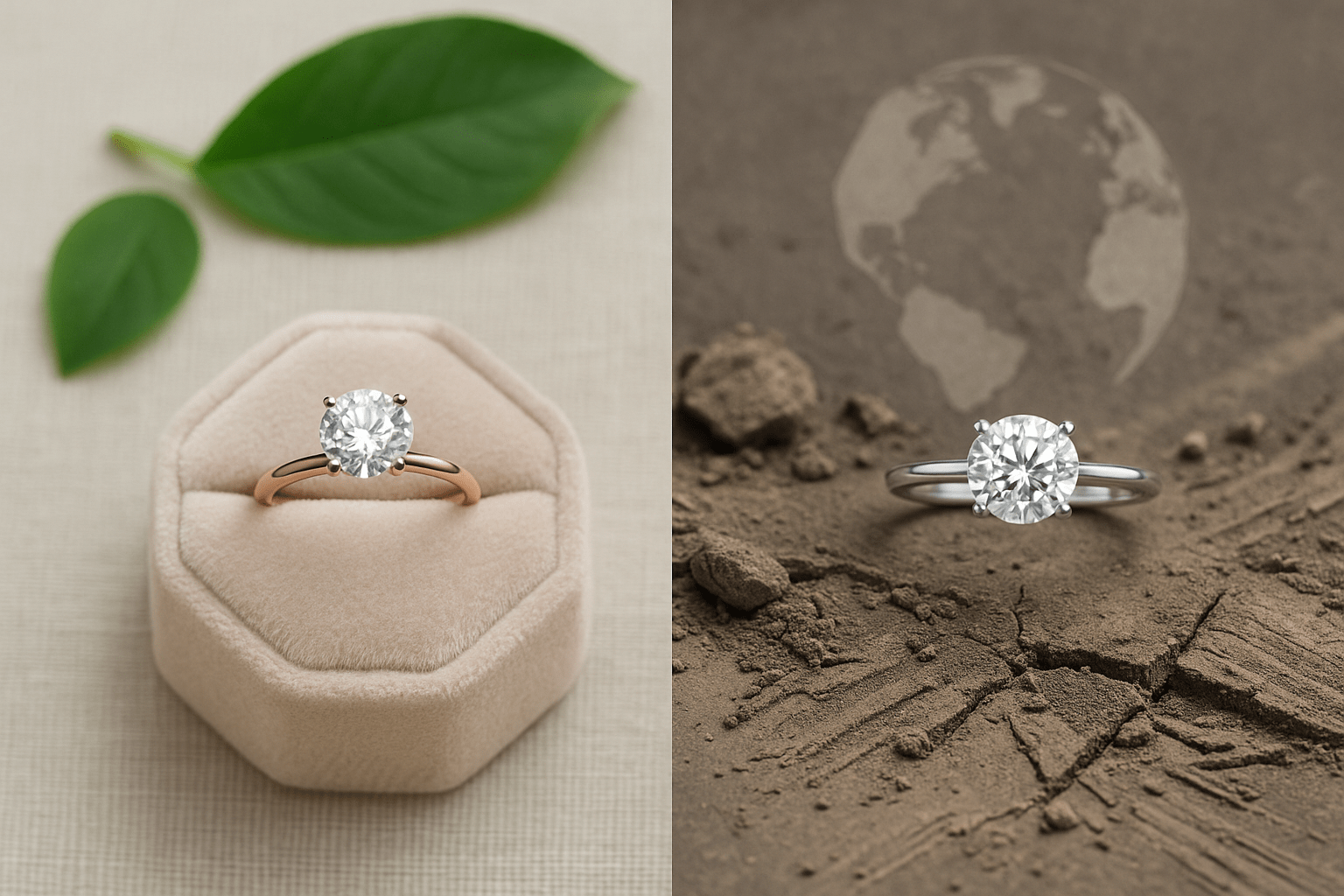
Some shoppers pay attention to where things come from. Mining often stirs up nature while raising concerns about worker treatment. Diamonds made in labs skip digging altogether. Less ground gets disturbed because of that. The path from creation to customer shrinks too. Yet energy choices shape a lab’s real impact. One shop might run on solar juice. Another taps into coal-heavy outlets. Should values guide your pick, press the seller for supply details. Demand proof. Clear answers ought to come without hassle.
Resale and Long Term Value
Here’s what matters most. Real diamonds pulled from the earth hold worth over time – there’s a clear path to sell them later. Stones made in labs? They’re recent arrivals, less proven when it comes back to cash value down the road. Should the feeling behind the piece outweigh everything else, then selling it someday won’t weigh heavy on your mind. But if keeping its worth through years sits high on your list, that gap between old and new can’t be ignored. Ring buying usually isn’t about money gains. These pieces mean something close to you. Let what matters most guide your choice.
Grading and Certification
A smart move when buying a lab diamond? Handle it just like picking out high quality jewelry. Choose pieces backed by papers from known labs – GIA or IGI, for example. That document needs to spell out:
- Carat weight
- Color grade
- Clarity grade
- Cut quality
Check what you’re told about an item, but trust your own eyes more. Get hold of the grading document first. Look through it line by line. Take this case A diamond says it weighs 1.2 carats, rated F for color, clarity marked VS1 – find those numbers on the official slip.
Choosing the Right Setting
Warmth from the band changes what you see in the stone. When yellow gold catches your eye, notice how it shifts the diamond’s tone. This kind of metal often deepens the warmth in less colorless stones. A gentler glow might be exactly what you’re after. A touch brighter on the shade scale gives that crisp white glow. Warm hues? They fit well if old-world charm is what you like. Daily routine matters when picking details. Hands-on tasks call for a sleeker mount. A taller setup stands out more – ideal if standing out feels right.
Common Misunderstandings
Not everyone gets it right when they say lab made equals imitation. Wrong call there. Some believe these gems come out perfect every time. Not true either. Inclusions show up in them too, much like natural ones. People sometimes figure they’re all exactly alike. Far from it. How well they’re cut shapes how bright they shine. A single carat doesn’t mean identical size once shaped by hand. Look closer – each option reveals its own shape story through subtle differences in form.
Compare These Things First
Start by setting a clear spending limit. Pick what traits weigh heaviest – maybe size grabs you first. Or color. Clarity could matter more than shine. Cut might rise to the top. Work down that list when weighing options. Look at gems one by one through that lens. Pause now and then to rethink which details hold ground
- Is bigger always better when it comes to what I can afford?
- Do I prefer a higher color grade
- When you can’t see flaws, does clearness still matter? Maybe what’s hidden changes nothing. Yet some care about perfection beyond sight. Flaws unseen might bother those who know they exist. Others ignore what stays out of view. Truth rests in whether details whisper louder than appearance. Seeing isn’t always believing – sometimes knowing is enough
Sunlight shows what lamps hide. A quick glance won’t tell the whole story. Pause often. This choice stays long after today ends.
Frequently Asked Questions
Are lab created diamonds considered real diamonds
Fine. Identical traits down to the last detail – chemically, physically, everything. What sets them apart? Origin story varies. One grows deep underground, the other builds atom by atom in a lab setting.
Do lab created diamonds last forever
Lifespan matches that of natural stones. When looked after well, these gems endure across family lines.
Are they a good choice for yellow gold engagement rings
Fine. Just like natural gems, they resist scratches and sparkle just as much. Whether you pick one comes down to how much you want to spend and what matters most to you.